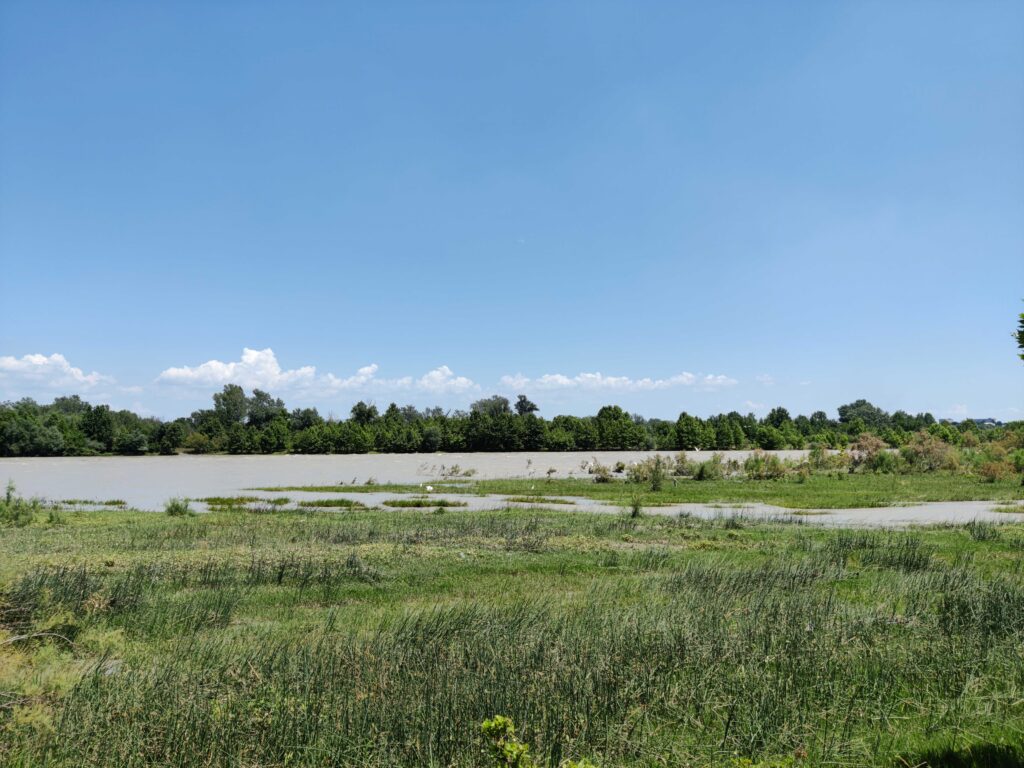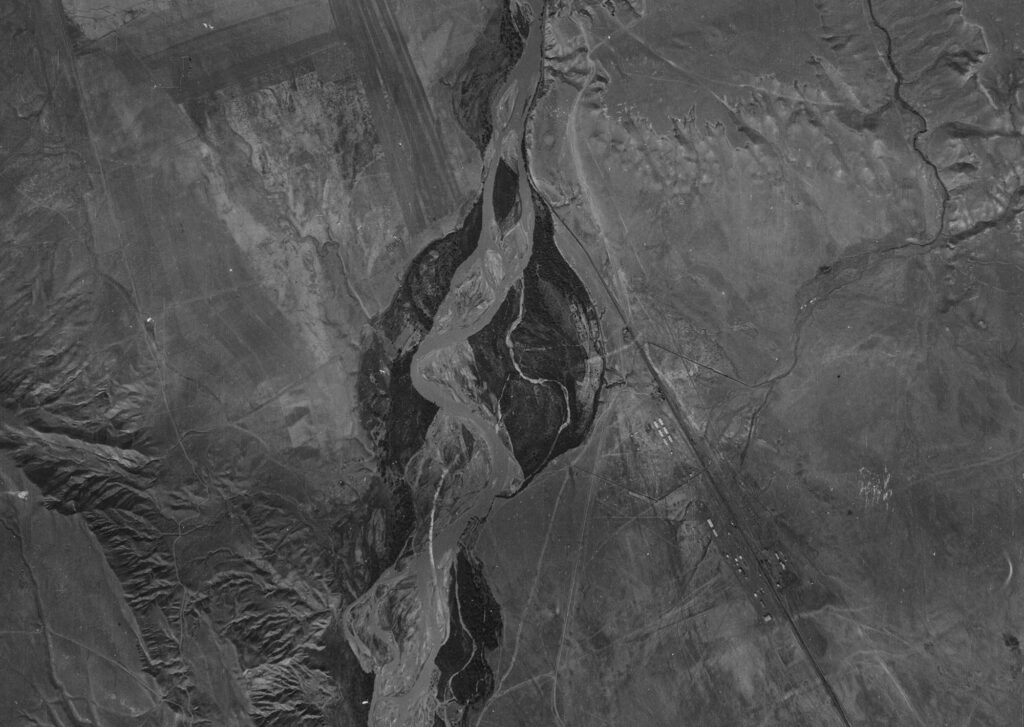
2024: a year on the floodplain
The year just passed was a tumultuous one both locally and internationally, bringing with it challenges and unpredictability for many. Despite the changing situation around us, at Napirze, 2024 marked the year where our work got into full swing.
Over 2,000 trees planted, 4 kilometres of trails cleared, over 1,000 visitors welcomed and tortoises moved off paths on at least three separate occasions.
After two years of laying the groundwork, fueled by enthusiasm and the support of friends with little to no funding, we were ready to step up a gear.
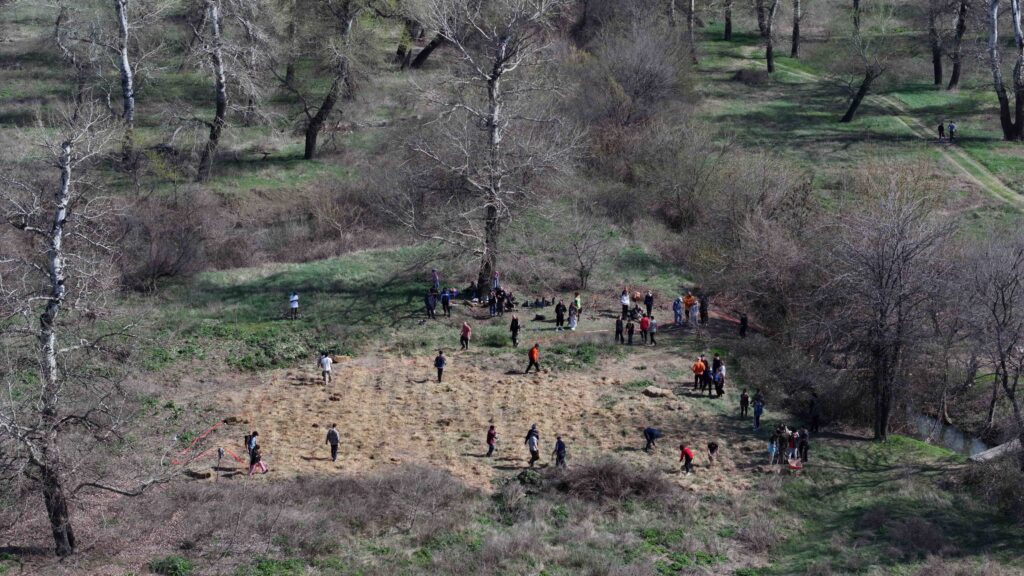
One of our main objectives for 2024 was to put landscape architect Maggie Brand’s meticulous planning into practice, and start planting. In March, we got ready to make that happen, clearing a 400m² planting site, working together with Georgian hydro engineer Soso Narchemashvili to design and install a gravity-powered irrigation system, and holding a launch event in Tbilisi.
Our first ever tree planting event on the floodplain took place on 30 March. an exciting day for us and an important milestone for Rustavi’s environmental development. Supported by a range of NGOs, donors, and local authorities, over 70 local and international volunteers came together to plant 500 trees; all native, locally-grown species including Populus, oak, elm, silver berry, and tamarisk.
The site was densely planted using the Miyawaki method – an approach to reforestation that produces faster growth and more resilient trees than traditional planting methods, allowing us to more rapidly and efficiently rewild the riverside site.
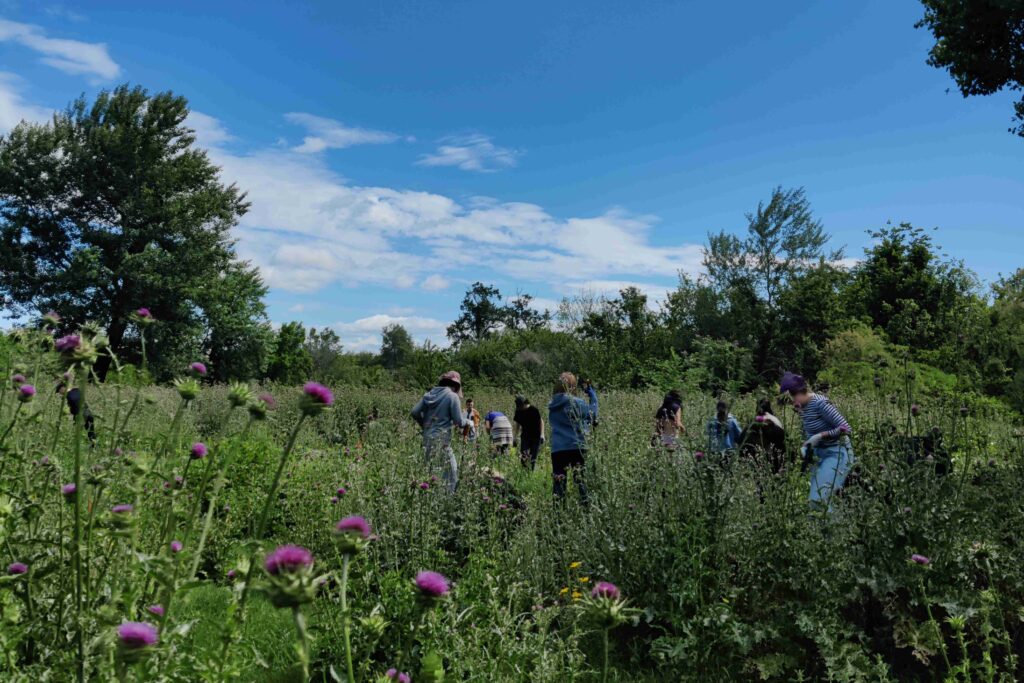
In the months that followed, we tended to the saplings, supported in May by three groups of schoolchildren from Qatar, who helped us to clear the trails and weed the planting site. The 200 children’s visit involved both outdoor activities and environmental education and would not have been possible without the work of Lisa Kapanadze and Giorgi Kopadze.
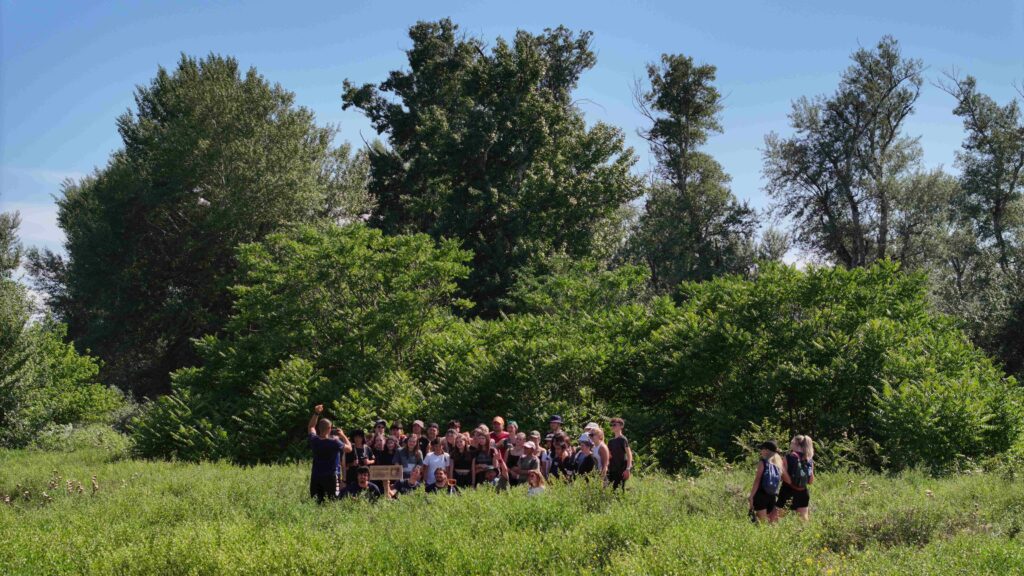
As the summer heat eased off and September settled in, we celebrated the arrival of landscape architect Maggie Brand, who had been working to make Napirze’s vision a reality remotely for over a year. After being awarded a Fulbright scholarship, she moved from Alabama to Rustavi, and has been getting hands-on with the floodplain in the months since. Later the same month, a group from Luxembourg working on raising awareness of renewable energy sources in the region came to visit the site, helping us to clean up the floodplain and maintain the trails.
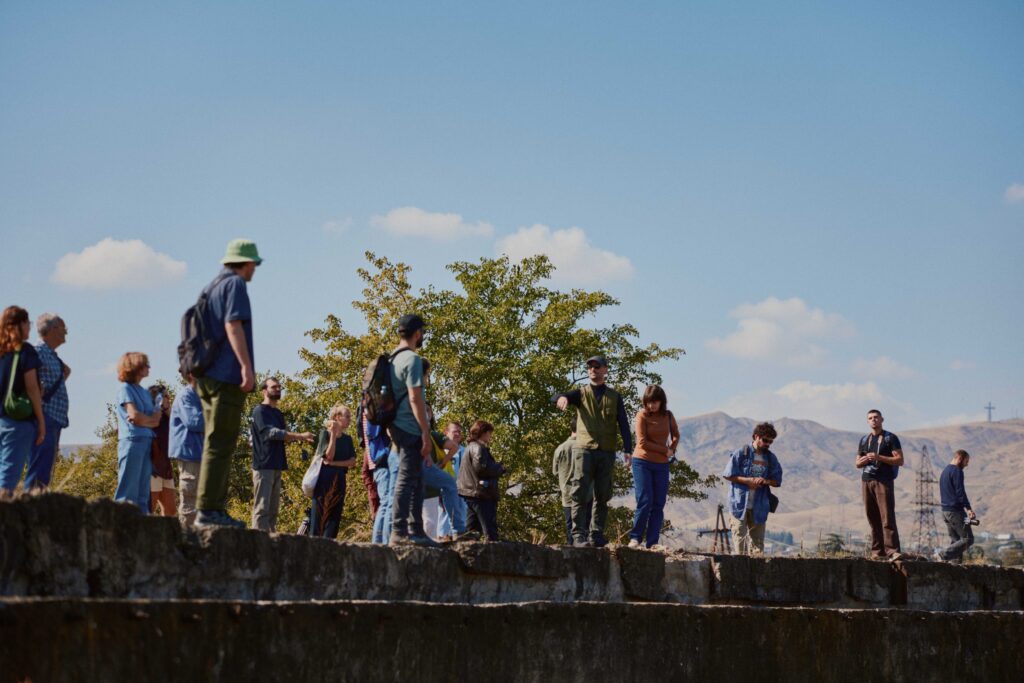
October barrelled in with no pause for breath, with the Tbilisi Architecture Biennial taking over Tbilisi and reaching the floodplain. Project co-founder Data Tsintsadze was a key speaker at an event on commoning – the creation and management of shared spaces and resources to benefit a community – and a group of Biennial visitors later toured the floodplain, learning both about our current work and its place in Rustavi’s history.
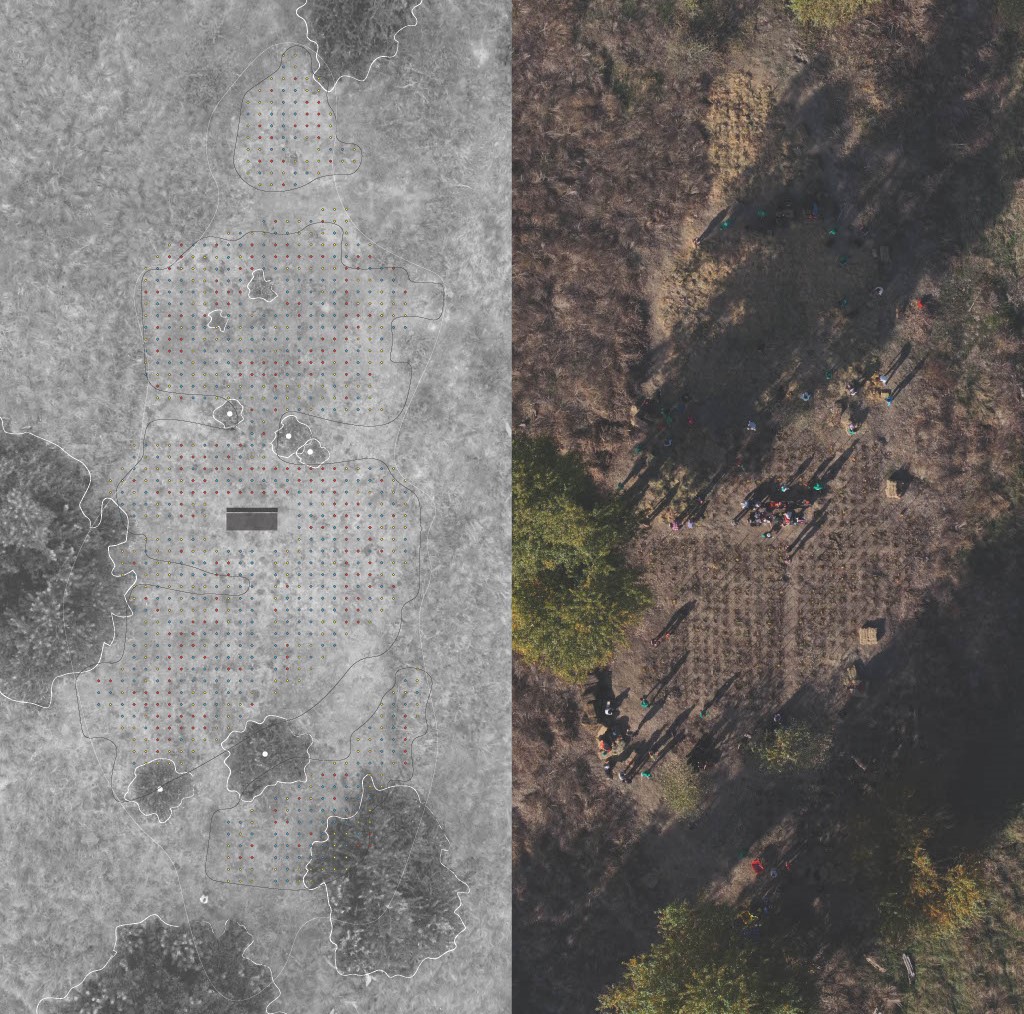
Later the same month, an international group of Scouts led by Skautu Slenis from Lithuania and Keuropa RY from Finland took to the riverbanks, clearing and preparing another Miyawaki site. On 10 November, we held our second planting event, planting over 1,000 native trees with the help of around 100 volunteers, and the support of private and public sector organisations.
Reforesting aside, one of our major achievements in 2024 was significantly broadening our funding base. Having begun participation in a UNDP small grants programme at the beginning of the year, we also solicited funds from a number of large Georgian private businesses, as well as diplomatic missions and local environmental organizations. Alongside this, we explored other avenues for funding our work, launching our first ever crowdfunding drive in April.
In the year ahead, we’re continuing work on the floodplain restoration strategy – a document we are developing with local government, Georgia’s Ministry of Environment, and the Swedish International Development Cooperation Agency (SIDA). That document will set out how the various groups involved in the floodplain’s restoration, led by Napirze, aim to rewild and manage the site. Taking into account the opinions of Rustavi’s citizens as well as other local stakeholders, the document will serve as a blueprint for locally-driven decentralized nature restoration.
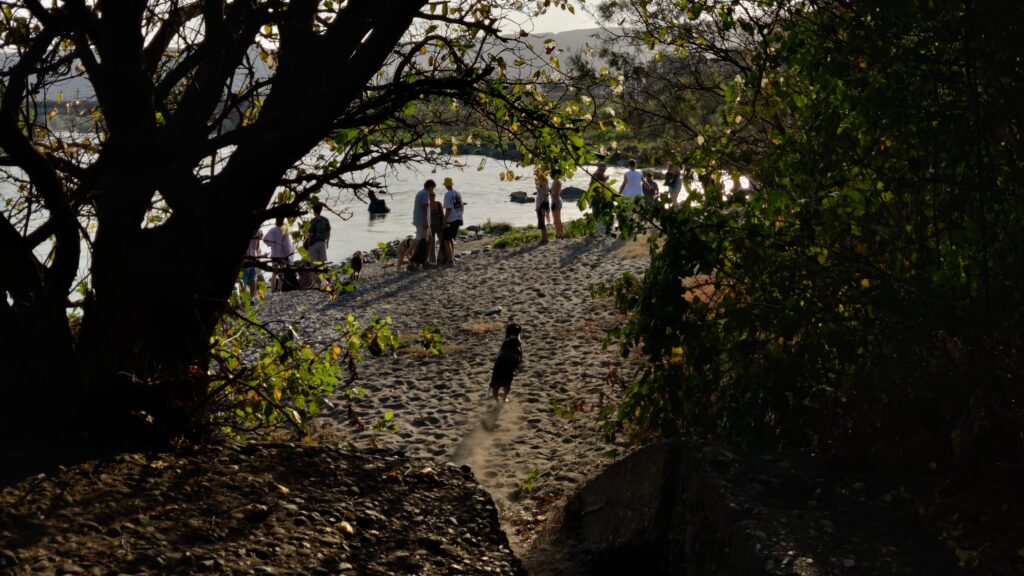
We’re also continuing to rewild and rehabilitate the site, with more planting planned as well as the installation of a waste barrier on the river: the first of its kind on the Mtkvari, making Rustavi the first city to clear floating waste from the river.
So as the world changes around us, we will continue working to support and improve our local environment, and look forward to setting our roots a little deeper in the year ahead with the help of our supporters, friends, and community.