Anteambuli
I’m afraid there are at least two things we need to elaborate on.
A lot has happened over the past year — and way more is about to happen!
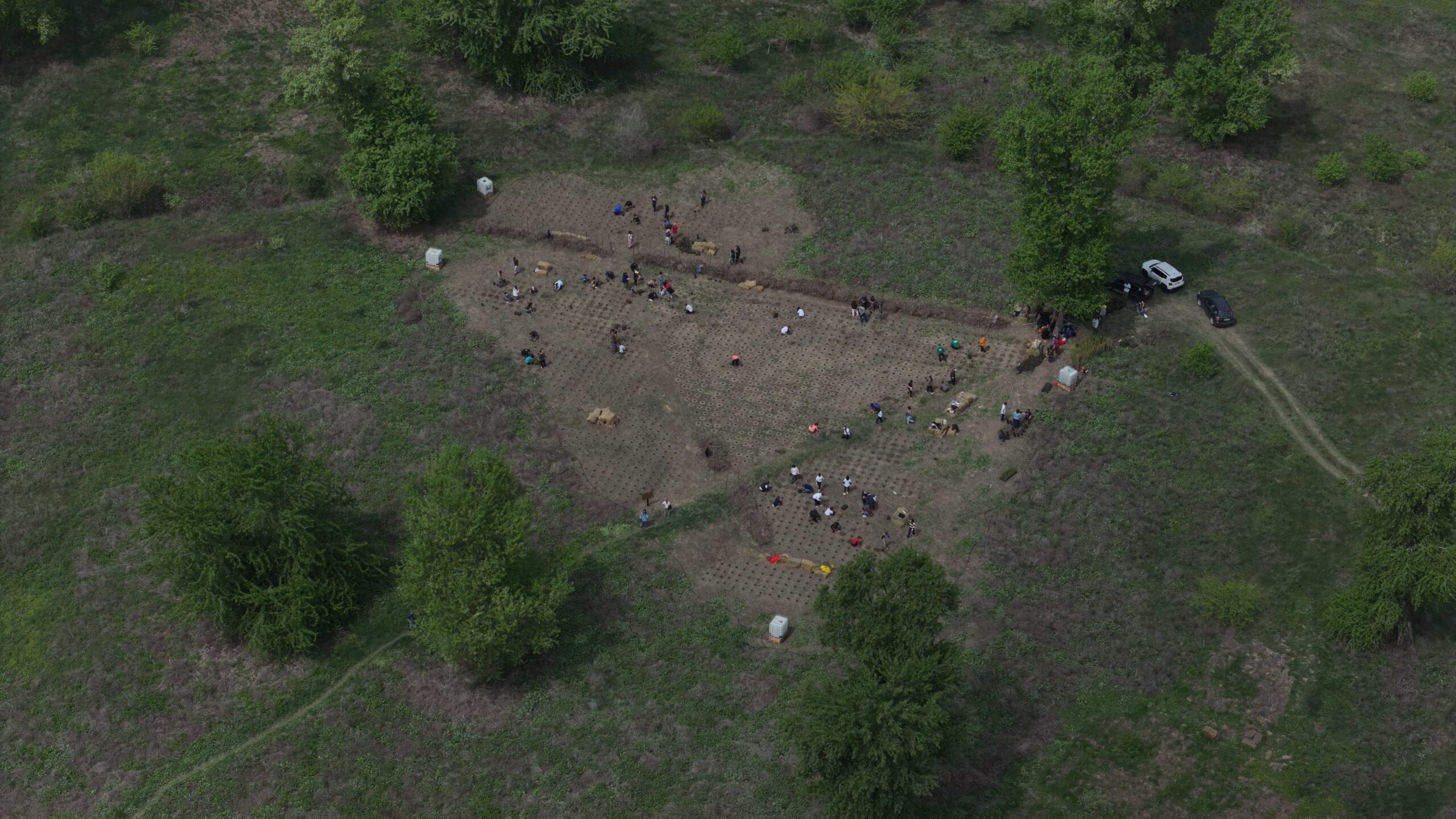
Easier said than done, but we’ve had three plantings since last spring and planted 3,500 trees. We’ve hosted hundreds of guests, did a tour with the Tbilisi Architecture Biennial (shout out to Gigi and Tiko), Napirze became part of the Atlas of Commoning, and we participated in a research project on Community-Led Landscape Restoration led by Stefan Laxness. This research connected us with amazing people from Portugal, Spain, the UK, the Netherlands, India, Iceland, Switzerland… the list goes on.
What this all tells me is that the words and ideas spoken and discussed within the floodplain are reaching out to the outer world — and vice versa.
But all along, somewhere deep down, I had the feeling that these were just mere reflections of what we’re actually doing.
So that brings up the question: What is it that we’re ACTUALLY doing?
Reforesting? Yes.
Restoring the landscape? Yes.
Raising awareness? Yes.
Rebuilding the community? Yes.
Reconceptualizing the human–river relationship and culture? Yes.
And all the other RE’s that might pop into your mind.
Still, none of the above really describe how I feel about the project — deep down, on a personal level.
So, what is it?
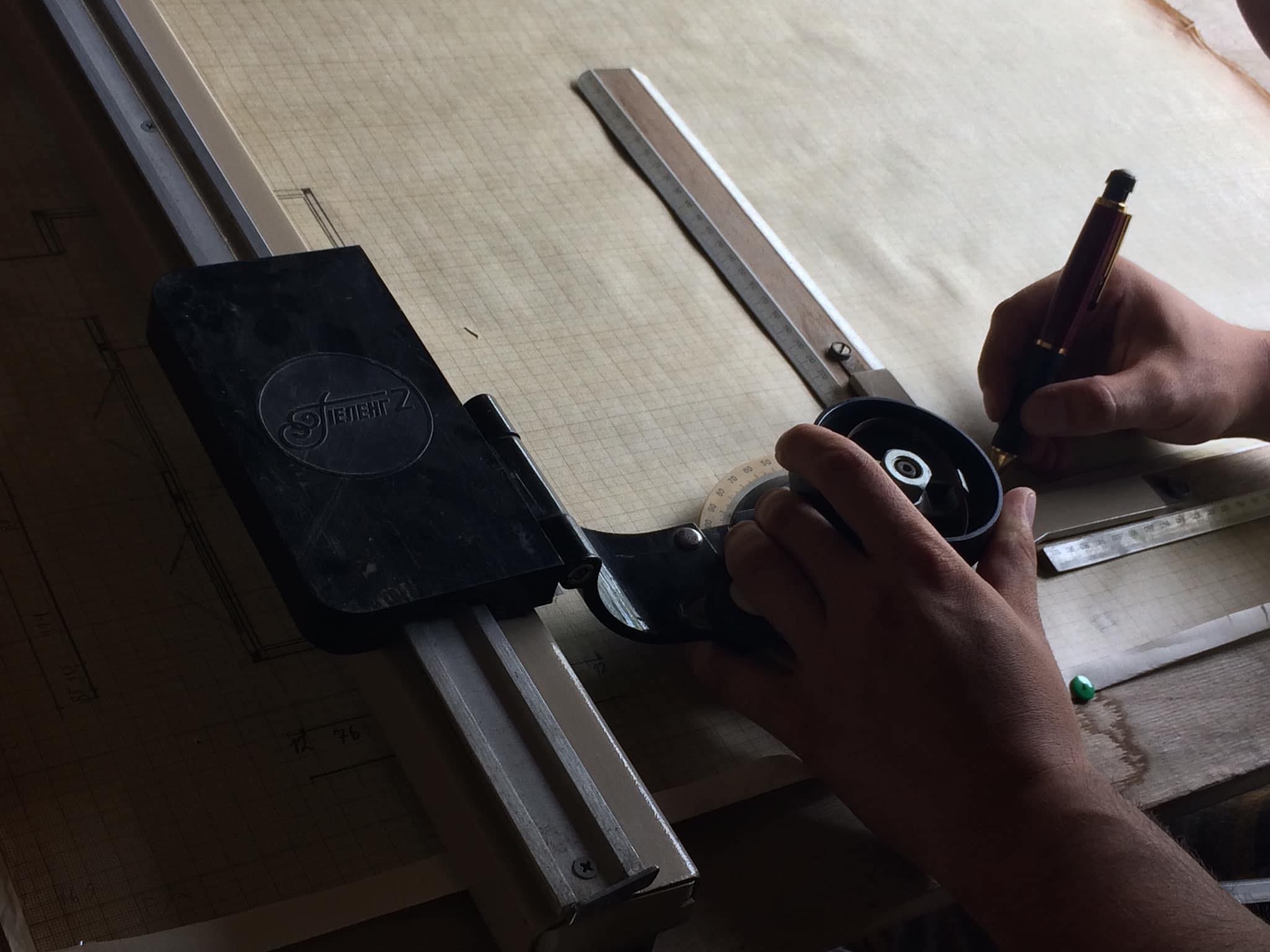
About two weeks ago, Elvire Sow asked me to explain what I meant by saying, “we’re rebuilding the community.” I tried to answer, because to me it was obvious — or so I thought. But as I tried to explain, I found myself saying words I was hearing for the first time.
By saying rebuilding, we assume that something — in this case, community — was there, then got destroyed. That it isn’t there anymore.
But what is “community”?
Is it a neighborhood? A micro-district? People from a certain part of the city? People from a certain part of society? Like-minded people? Friends?
Maybe all of the above?
Yes — and no.
As I discussed this with Elvire, I had a kind of revelation — about the words we use every day, especially when we’re talking about NAPIRZE.
So, I dove into deep waters and found an answer.
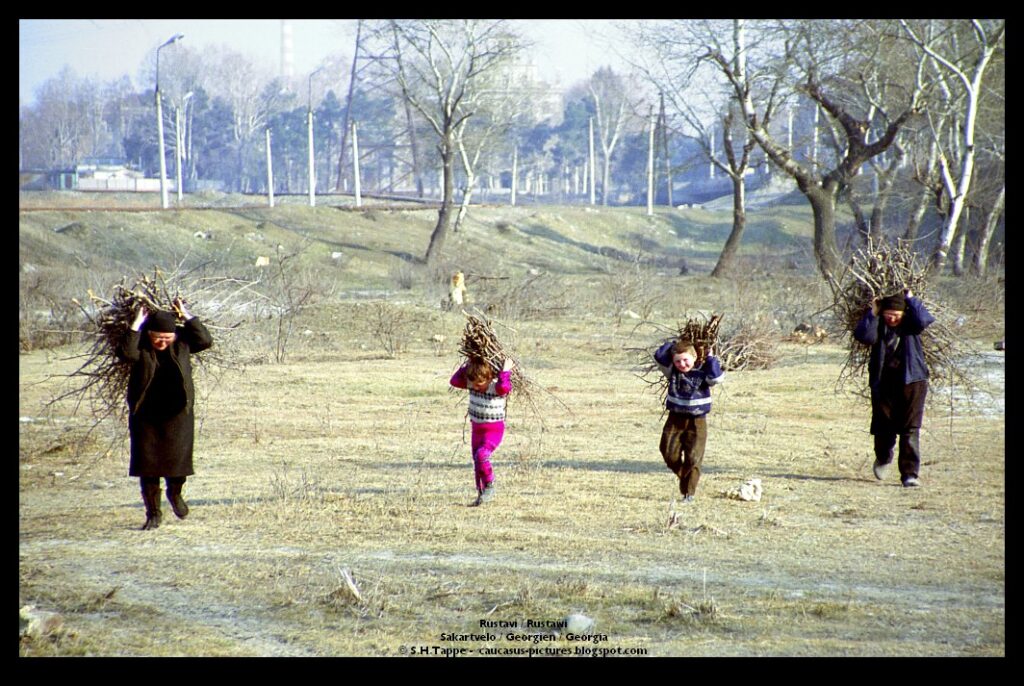
As a kid growing up in Rustavi in the late ’90s, I remember the friends of my family. I remember the families of my friends. The families of my relatives. I remember how our parents managed to create moments of happiness, despite all the shit going on around us. I remember the bonds between these families — how they did everything for us, their kids, so we could carry forward the legacy and pride they brought to the table.
I remember how life took them — one by one. Especially the fathers.
And I remember how those connections disappeared with them, leaving our moms on the watch.
So, what do we mean when we say, “rebuilding community”?
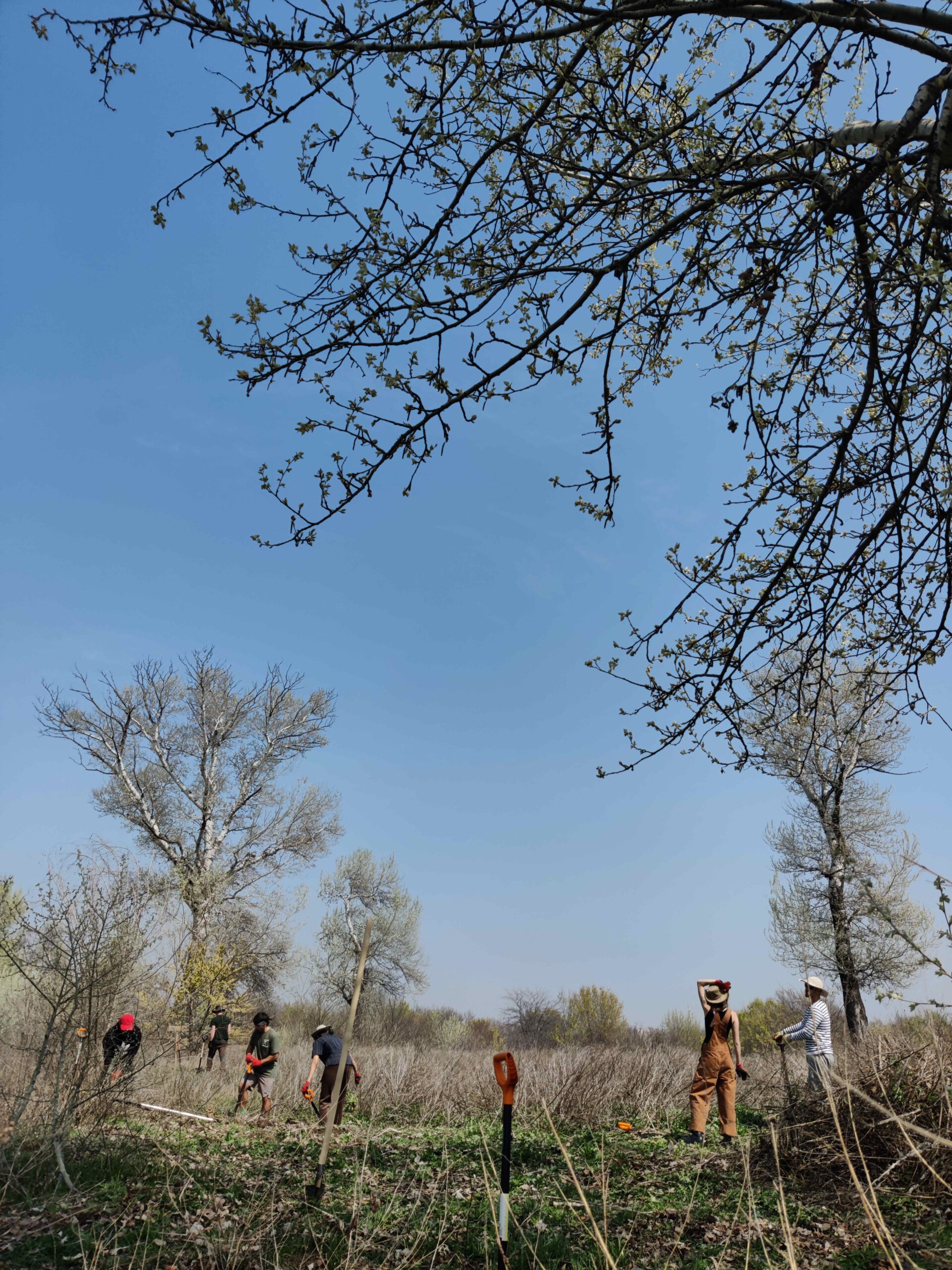
First — it means rebuilding those broken families. Using the landscape to rebuild that legacy and recreate those connections and ties, as respectfully as possible.
Second — it goes even deeper. It’s like Richard Feynman answering the question, “Why do magnets attract each other?”
We have to go way back.
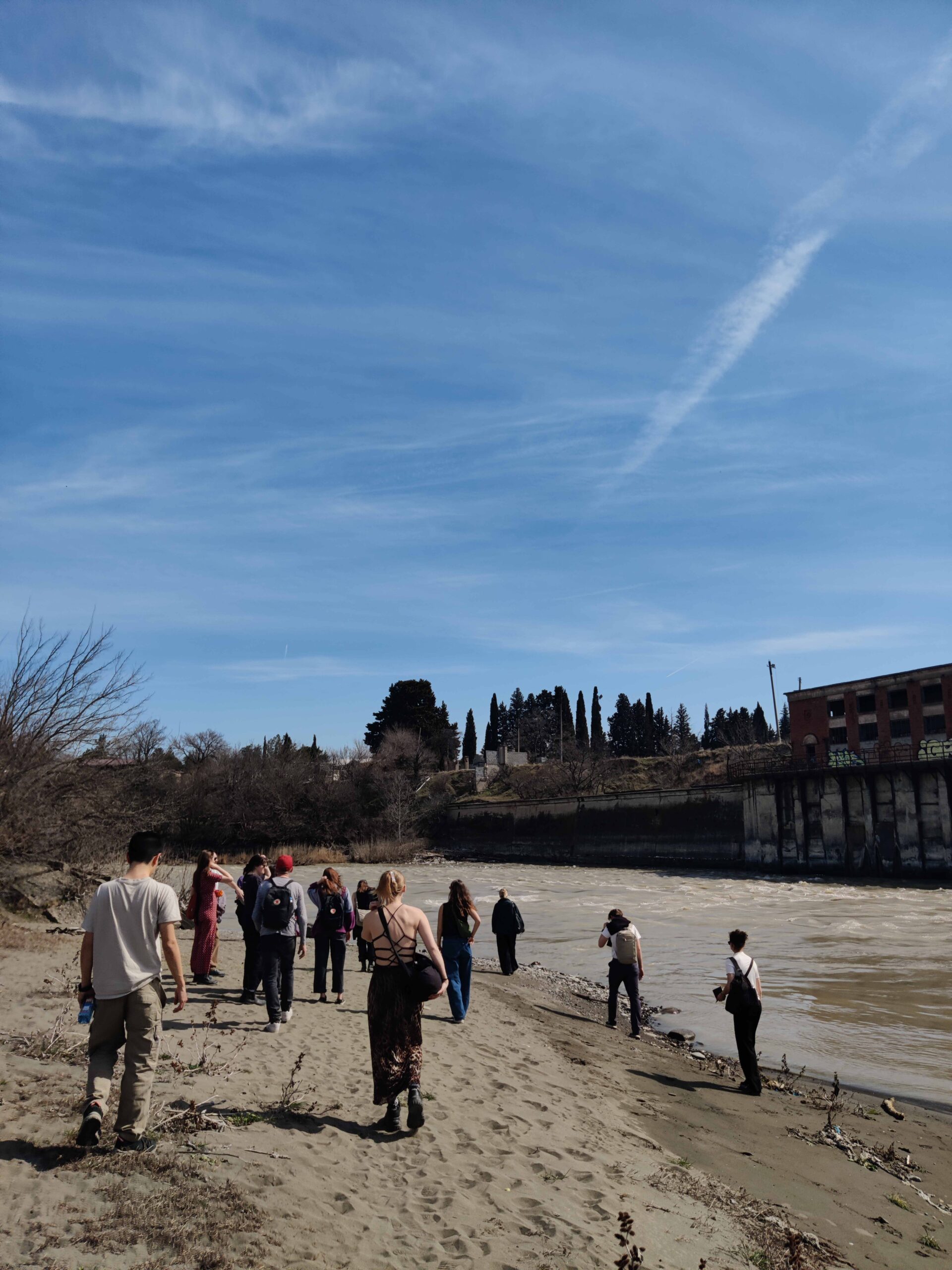
To return to Rustavi, the project’s tagline establishes our aim as “Reconceptualizing the human–river relationship and culture.” That idea is based on our understanding that people who previously lived around this floodplain — settlers of this area — had very different relationships with the region’s waterways than we do now. We like to believe they didn’t neglect Mtkvari. That they sailed upstream and downstream. Even though we have no proof of boats on the floodplain, we do know the Mtkvari–Araxes culture — which dates back to 4000–3000 BCE — was centered around these rivers for a reason. These riversides and floodplains supported one of the cradles of modern civilization in this region.
So, when we say “reconceptualizing,” we mean studying the past as deeply as we can, while also imagining new ways of connecting to rivers. It means reshaping how we, modern settlers, perceive water — and honoring it again.
Now, back to the “what is it that we do?” thing, I do believe there’s more.
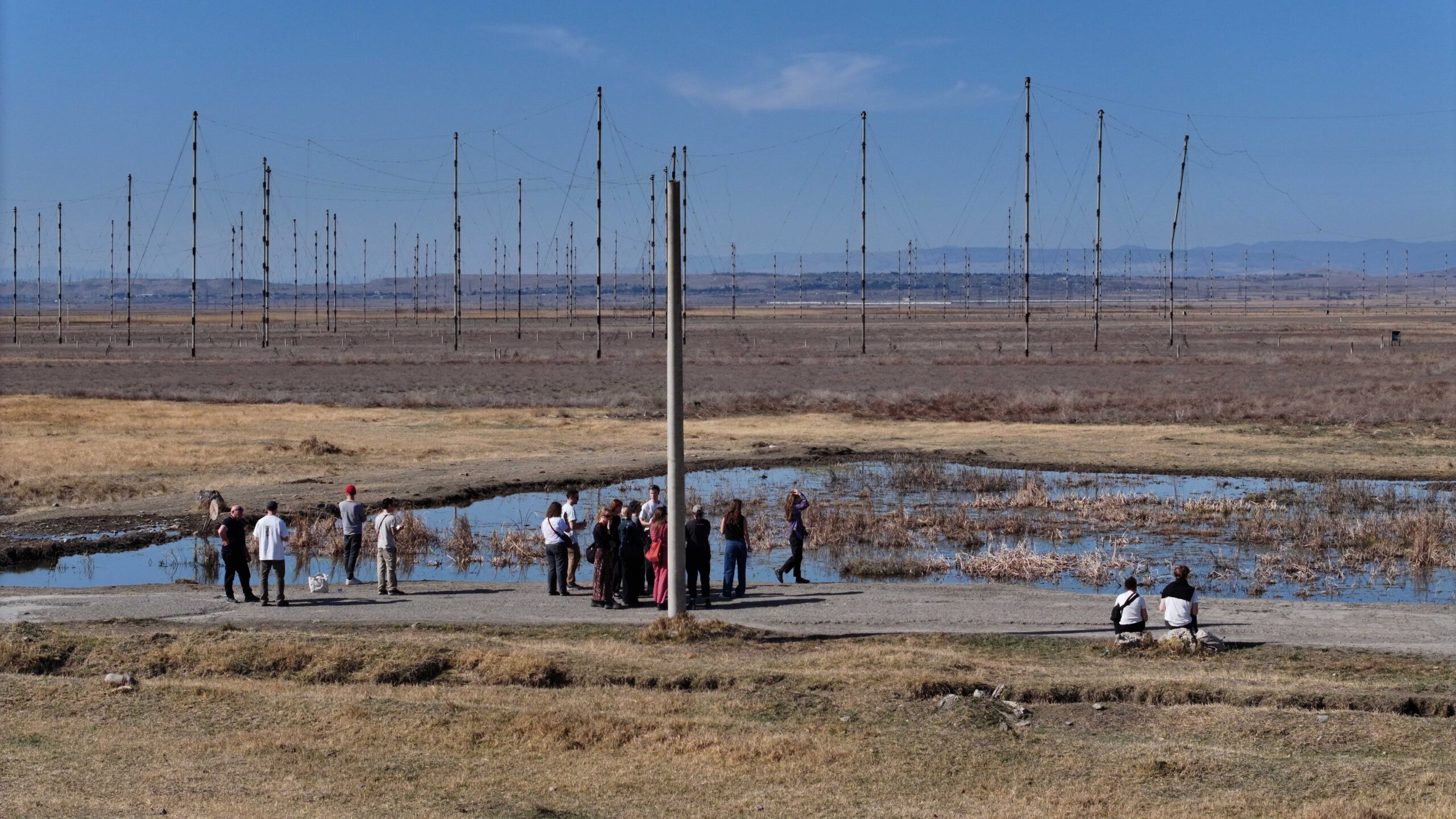
I remember when Jesse Vogler came by with Levan Kalandarishvili, Tea Kamushadze, and Nika Loladze. I was so excited to see them at Ezo. I started telling the story of how I learned to lay bricks on YouTube to build the nursery. Jesse stopped me and said something like, “Yeah, that’s cool. But are you sure that’s what brings us here?”
That was the first time I realized — there’s something more to all of this. Something I’m unable to see. But there are others who can.
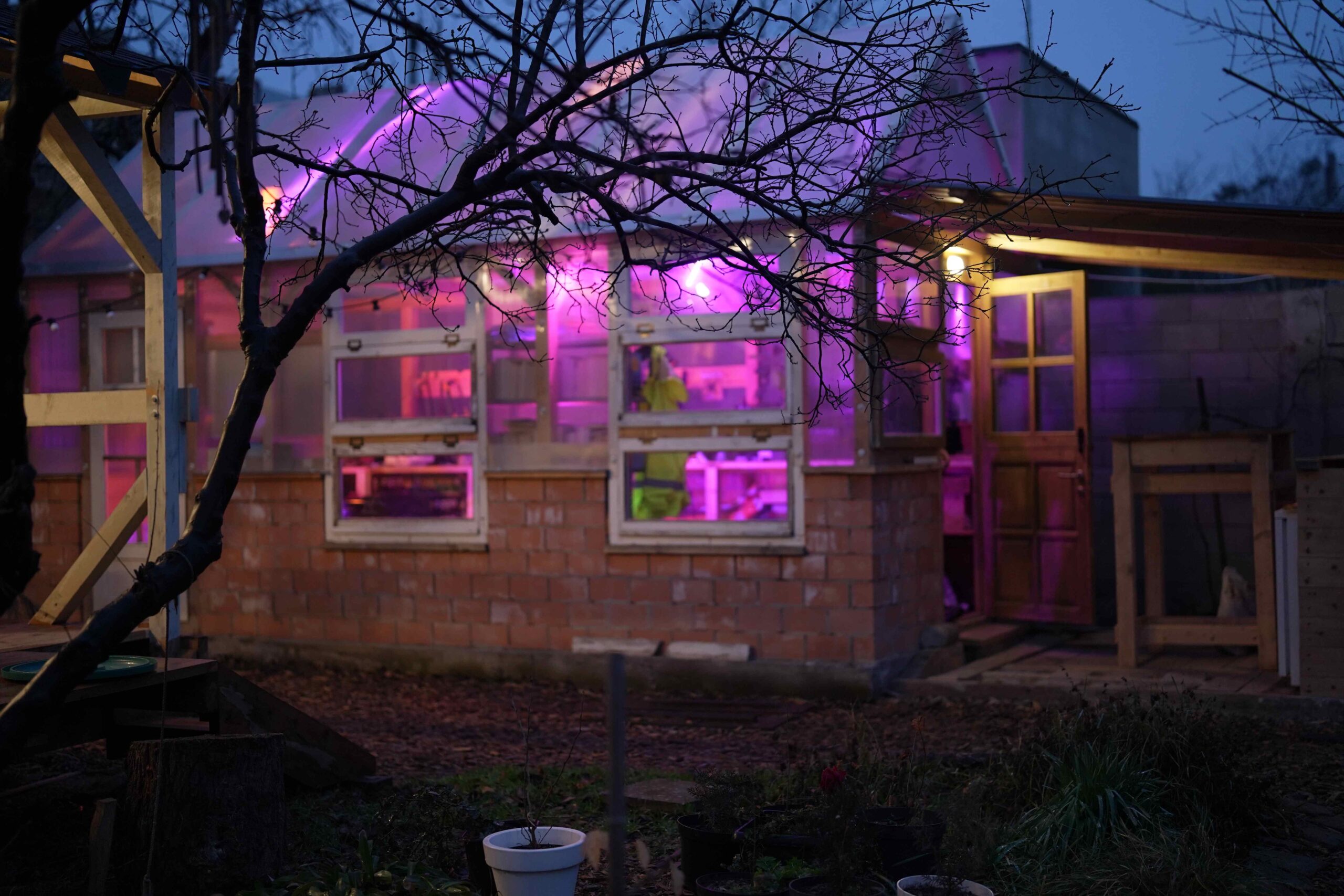
So fast forward three years. I’m at home. It’s May 25, 2025. Sunday. Around 8:00 AM. I’m reading this really cool book by Ryan Holiday called “Ego is the Enemy.”
There’s a chapter called “Follow the Canvas Strategy.” The author talks about ancient Rome and introduces the word Anteambulo, which means “one who clears the path.”
Back then, Roman high society hired Anteambuli — people who walked ahead of them in the streets, clearing the way, delivering messages, and making life easier for their patrons.
When we talk about reforestation with guests, we often describe it as “assisted regeneration.” Assisting who, you might ask?
Obviously — Mother Nature. Dedabuneba, as we say in Georgian.
But while reading that chapter, I realized something.
We’re not only assisting nature. We’re clearing the path.
For who?
Sure — future generations. Young people. Procrastinators. Those trying to find purpose. People who’ve lost hope. People overwhelmed by the media.
All of that is true.
But also — for the ones in power.
Yes, the politicians. The decision-makers. The ones who are too scared to take risks or make the first move.
We’re clearing the path so they can feel safe to follow.
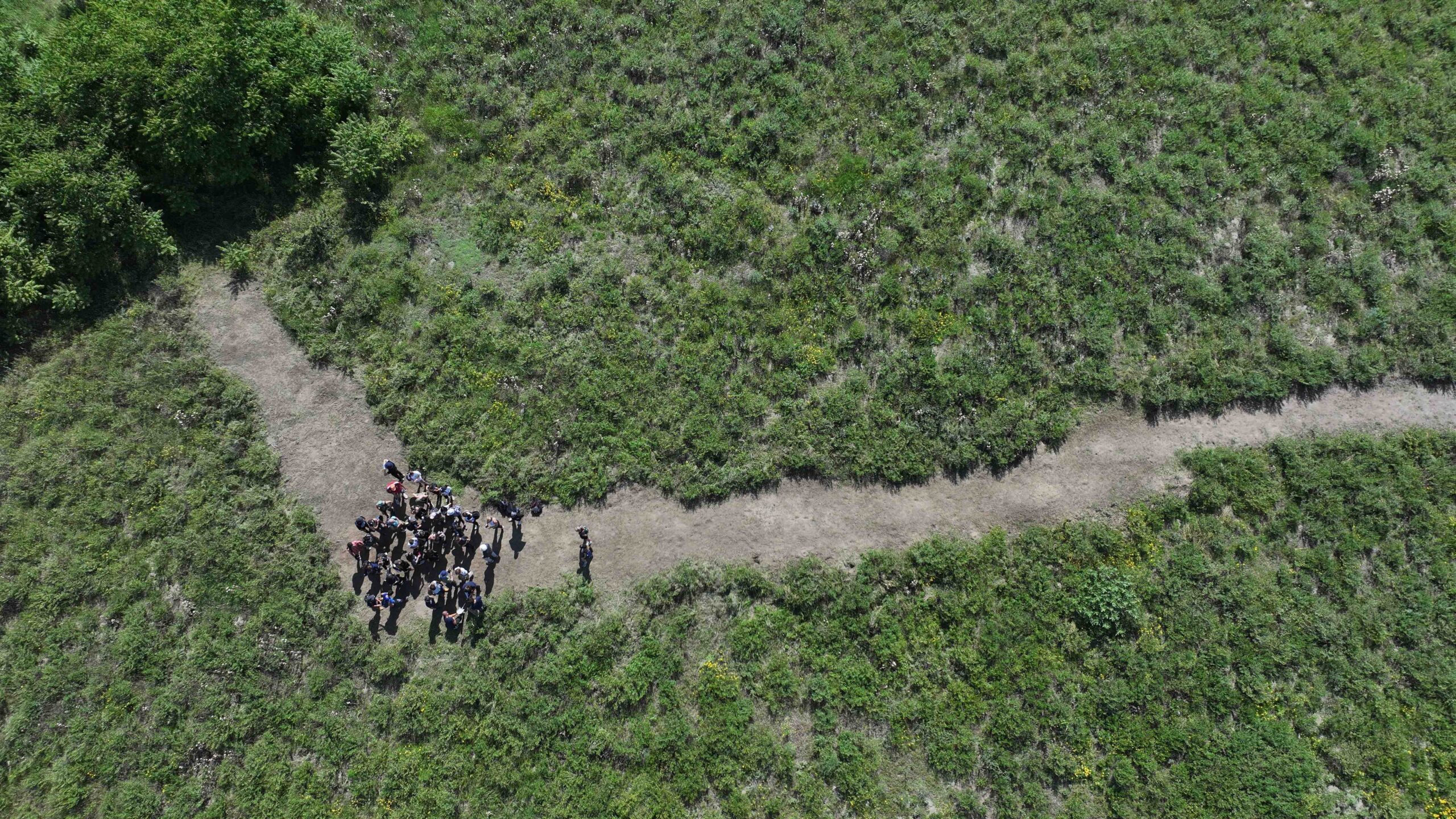
Sometimes people say: “You guys are doing all the hard work, and government officials aren’t even mentioning it.”
First of all — they do.
But more importantly, in the words of Ryan Holiday:
“Whereas everyone else wants to get credit and be ‘respected,’ you can forget credit. You can forget it so hard that you’re glad when others get it instead of you – that was your aim, after all.”
Because people are afraid. Afraid of each other. Afraid of failure. Afraid of being first.
And we need more initiators. More executors. More compromise. More dialogue.
We need to rebuild trust.
And that, my friends, is what NAPIRZE does.
We’re clearing paths for others.
“Because the person who clears the path ultimately controls its direction.”
Respectfully